
Types of Sheet Metal Materials and Their Industrial Applications!
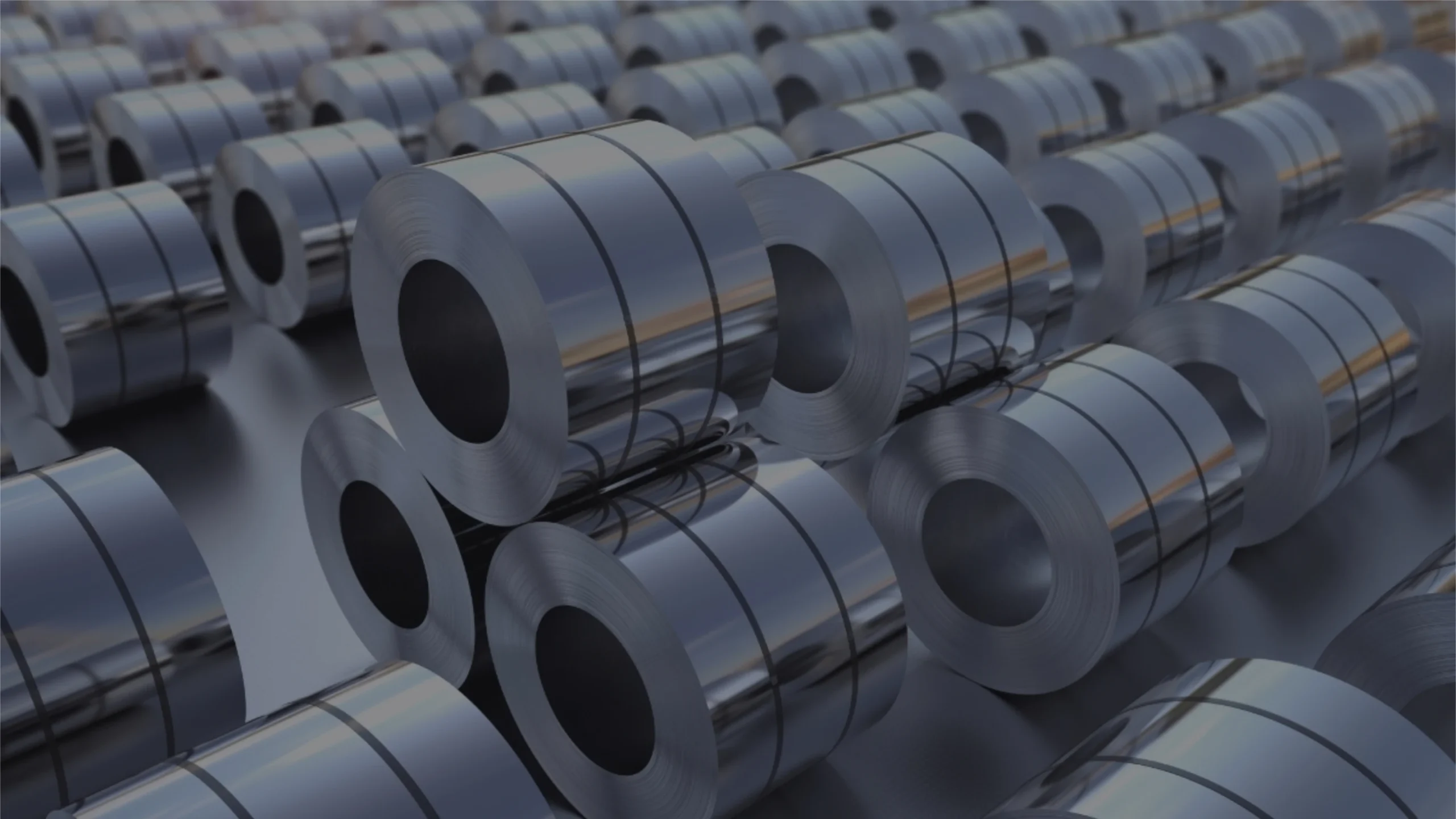
Sheet metal is one of those engineering materials that doesn’t show off; it simply gets the job done. Quietly. Reliably. Daily. It forms the body of your car, the frame of your appliances, the walls of electrical cabinets, the ducts above your head, and even parts of your laptop. If sheet metal suddenly disappeared, the modern world would collapse faster than a poorly welded joint.
Yet despite being everywhere, sheet metal is often misunderstood as “just metal in a flat sheet.” In reality, sheet metal is a whole family of materials; each with its own strengths, quirks, and ideal applications. Understanding these materials can save engineers production costs, prevent failures, and make fabrication much smoother.
Let’s explore the major sheet metals and how they contribute to industry, one material at a time.
1. Mild Steel (CRCA / HR)
Mild steel is the “reliable all-rounder” of sheet metals. It may not be glamorous, but it’s dependable, versatile, and surprisingly easygoing during fabrication.
What It’s Like
If mild steel were a person, it would be the colleague who can do almost any task without complaining; cutting, bending, welding, punching, forming, you name it.
Key Properties
- Low carbon content → bends without cracking
- Highly weldable
- Good strength for general needs
- Smooth surface (especially CRCA)
- Budget-friendly
CRCA vs HR
- CRCA: Clean, polished, refined
- HR: Strong, rugged, not afraid of rough work
Industrial Applications
- Automotive brackets
- Industrial enclosures
- Machine guards and covers
- Storage systems
- General fabrication assemblies
It behaves predictably in manufacturing, unless you forget surface protection and rust arrives like an uninvited guest.
2. Stainless Steel (SS304 / SS316 / SS202)
Stainless steel combines strength, durability, and elegance. It’s the material that refuses to rust even when everyone else does.
What It’s Like
Stainless steel is that person who always looks polished, even after a long day. Tough, hygienic, and impressively resilient.
Key Properties
- High corrosion resistance
- Keeps its appearance over years
- Suitable for chemicals, heat, and moisture
- Strong but slightly tricky to form
Popular Grades
- SS304: The dependable standard
- SS316: Handles harsh chemicals and coastal environments
- SS202: Lower-cost option for less demanding uses
Industrial Applications
- Food-grade equipment
- Pharmaceutical machinery
- Kitchen appliances
- Architectural panels
- Marine applications
- Chemical processing components
3. Aluminium Sheet Metal
Aluminium is the lightweight champion of metal engineering. It’s strong, corrosionresistant, and surprisingly agile during machining.
What It’s Like
Think of aluminium as the fit, energetic teammate who lifts heavy responsibilities without actually being heavy.
Key Properties
- One-third the weight of steel
- High thermal and electrical conductivity
- Naturally corrosion-resistant
- Non-magnetic
- Easy to machine
Popular Aluminium Alloys
- 1100: Extremely formable
- 5052: Excellent for marine environments
- 6061: Strong, durable, and good for structural applications
Industrial Applications
- Aerospace parts
- Electric vehicle components
- Electronic housing
- HVAC systems
- Marine applications
- Lightweight machinery parts
4. Galvanized Steel (GI / GP)
Galvanized steel is mild steel with a protective layer of zinc that shields it from corrosion.
What It’s Like
Picture mild steel wearing a raincoat. Not fancy, but extremely practical.
Key Properties
- Good corrosion resistance
- Durable in moisture-prone environments
- Paint-friendly
- Affordable
Two Main Types
- GI (Hot-Dip): Thick zinc layer → rugged outdoor protection
- GP (Electro-Galvanized): Thin smooth layer → ideal for painting
Industrial Applications
- Ducting
- Solar support structures
- Outdoor enclosures
- Electrical distribution panels
- HVAC systems
5. Aluminium-Zinc Coated Steel (Galvalume / AZ150)
This material is a step up from galvanized steel; more corrosion-resistant, more stable, and longer-lasting.
What It’s Like
If GI is mild steel with a raincoat, aluminium-zinc coated steel is mild steel with full weather gear, sunscreen included.
Key Properties
- Strong corrosion resistance
- 55% aluminium enhances durability
- Heat reflective
- Smooth surface finish
Industrial Applications
- Roofing sheets
- Outdoor structures
- Industrial sheds
- High-temperature ducts
6. Copper Sheet Metal
Copper stands out for one reason: unmatched conductivity.
Key Properties
- Highest electrical conductivity among metals
- Naturally corrosion-resistant
- Highly formable
- Antimicrobial
Industrial Applications
- Bus bars
- Electrical connectors
- Heat exchangers
- Switchgear components
- Architectural accents
7. Brass Sheet Metal
Brass, an alloy of copper and zinc, is known for its golden appearance and exceptional machinability.
Key Properties
- Attractive appearance
- Corrosion resistant
- Easy to machine
- Good for deep drawing
Industrial Applications
- Electrical contacts
- Locks and hardware
- Decorative items
- Musical instruments
- Precision components
8. High-Strength Low-Alloy Steel (HSLA)
HSLA steels offer high strength without the excessive weight of traditional alloys.
Key Properties
- High strength
- Good fatigue resistance
- Weldable
- Great for structural applications
Industrial Applications
- Automotive chassis
- Heavy machinery
- Specialized brackets
- Structural frames
Conclusion
Each sheet metal material has a unique character and purpose. Mild steel is the everyday performer; stainless steel excels in corrosive environments; aluminium leads in lightweight performance; galvanized and aluminium-zinc steels protect against weather; copper conducts like nothing else; brass combines performance with beauty; and HSLA brings serious strength to the table.
Understanding these materials helps engineers make smarter choices, optimize cost, and ensure product reliability. When material selection is correct, the result is a durable, efficient component. If not… corrosion and deformation tend to express their disappointment fairly quickly.
Get in Touch with HPPL !
Ready to enhance your operations with precision-engineered sheet metal components?
Our team at HPPL is here to provide tailored solutions to meet your industry’s needs.