
India's Leading
Sheet Metal Components and Fabricated Assembly Manufacturer
Hindustan Pressings Private Limited (HPPL) is a trusted name in the industry and a leading sheet metal components manufacturer in India, renowned for its exceptional quality, cutting-edge infrastructure, comprehensive in-house facilities, and competitive pricing.
Tonnage of steel used - 10,000 T / Year
No. of plants - 3
Press machine tonnage - 63 ~ 1000 T
QMS as per IATF 16949:2016
| ISO 9001:2015 | ISO 45001:2018 | ISO 14001:2015
Modes of transport - Road, Sea and Air
Countries we supply to - USA, Finland, Italy, Germany, Australia, India
India's Leading
Sheet Metal Components and Fabricated Assembly Manufacturer
Hindustan Pressings Private Limited (HPPL) is a trusted name in the industry and a leading sheet metal components manufacturer in India, renowned for its exceptional quality, cutting-edge infrastructure, comprehensive in-house facilities, and competitive pricing.
In-plant operations at Hindustan Pressings Private Limited






Tonnage of steel used - 10,000 T / Year
No. of plants - 3
Press machine tonnage - 63 ~ 1000 T
QMS as per IATF 16949:2016
| ISO 9001:2015 | ISO 45001:2018 | ISO 14001:2015
Modes of transport - Road, Sea and Air
Countries we supply to - USA, Finland, Italy, Germany, Australia, India
About Us
Hindustan Pressings Private Limited (HPPL) is a trusted name in the industry and a leading sheet metal components manufacturer in India, renowned for its exceptional quality, cutting-edge infrastructure, comprehensive in-house facilities, and competitive pricing.Founded in 1992, Hindustan Pressing Pvt. Ltd. (HPPL) is a trusted sheet metal components manufacturer in India, specializing in high-quality stamped and fabricated components. With over 30 years of industry experience, HPPL offers comprehensive in-house capabilities, including stamping and pressing (50 to 1000 tons), laser cutting, CNC bending, welding, machining, finishing, and advanced surface treatments.
Backed by three state-of-the-art manufacturing facilities in India, HPPL delivers sheet metal components that meet global quality standards. Our focus on innovation, durability, and process excellence enables us to serve diverse industries while consistently meeting domestic and international requirements.
Our Commitment to Excellence

Global Reach
Our product portfolio serves a wide range of industries in both domestic and international markets, making us a prominent sheet metal components manufacturer and exporter in India.
Years
Experience in exports
Containers
Exported till date
Tons
Shipped till date
Global Reach
Our product portfolio serves a wide range of industries in both domestic and international markets, making us a prominent sheet metal components manufacturer and exporter in India.
Years
Experience in exports
Containers
Exported till date
Tons
Shipped till date
Diverse Industrial Solutions for Different Sectors
HPPL delivers tailored solutions to various sectors, including Automotive, Agricultural, Material Handling, Elevators, Shipping, Solar and Railways.
To be a globally trusted partner in high-quality sheet metal components manufacturing, delivering precision-engineered components that exceed industry standards for performance, durability and sustainability while fostering innovation and long-term client partnerships.
To be a globally recognized leader in high-quality sheet metal components manufacturing from India , known for delivering high-performing, durable and cost-effective components while driving innovation, sustainability and operational excellence across industries.
Integrity, quality, innovation, customer commitment, sustainability and operational excellence. We ensure high manufacturing capacity, competitive pricing and on-time delivery while fostering reliability, ethical practices and continuous improvement.
Diverse Industrial Solutions for Different Sectors
HPPL delivers tailored solutions to various sectors, including Automotive, Agricultural, Material Handling, Elevators, Shipping, Solar and Railways.
To be a globally trusted partner in high-quality sheet metal components manufacturing, delivering precision-engineered components that exceed industry standards for performance, durability and sustainability while fostering innovation and long-term client partnerships.
To be a globally recognized leader in high-quality sheet metal components manufacturing from India , known for delivering high-performing, durable and cost-effective components while driving innovation, sustainability and operational excellence across industries.
Integrity, quality, innovation, customer commitment, sustainability and operational excellence. We ensure high manufacturing capacity, competitive pricing and on-time delivery while fostering reliability, ethical practices and continuous improvement.
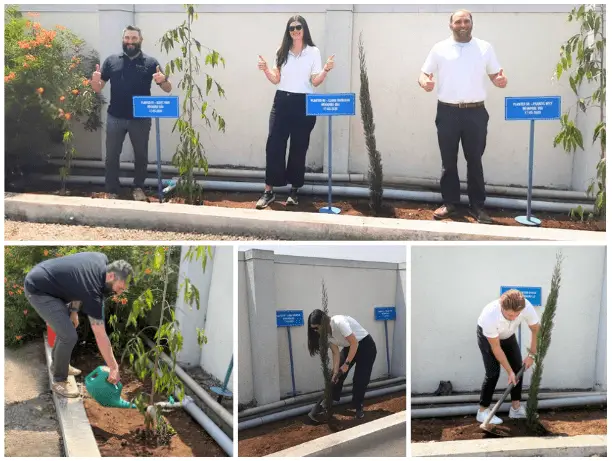
Sustainability
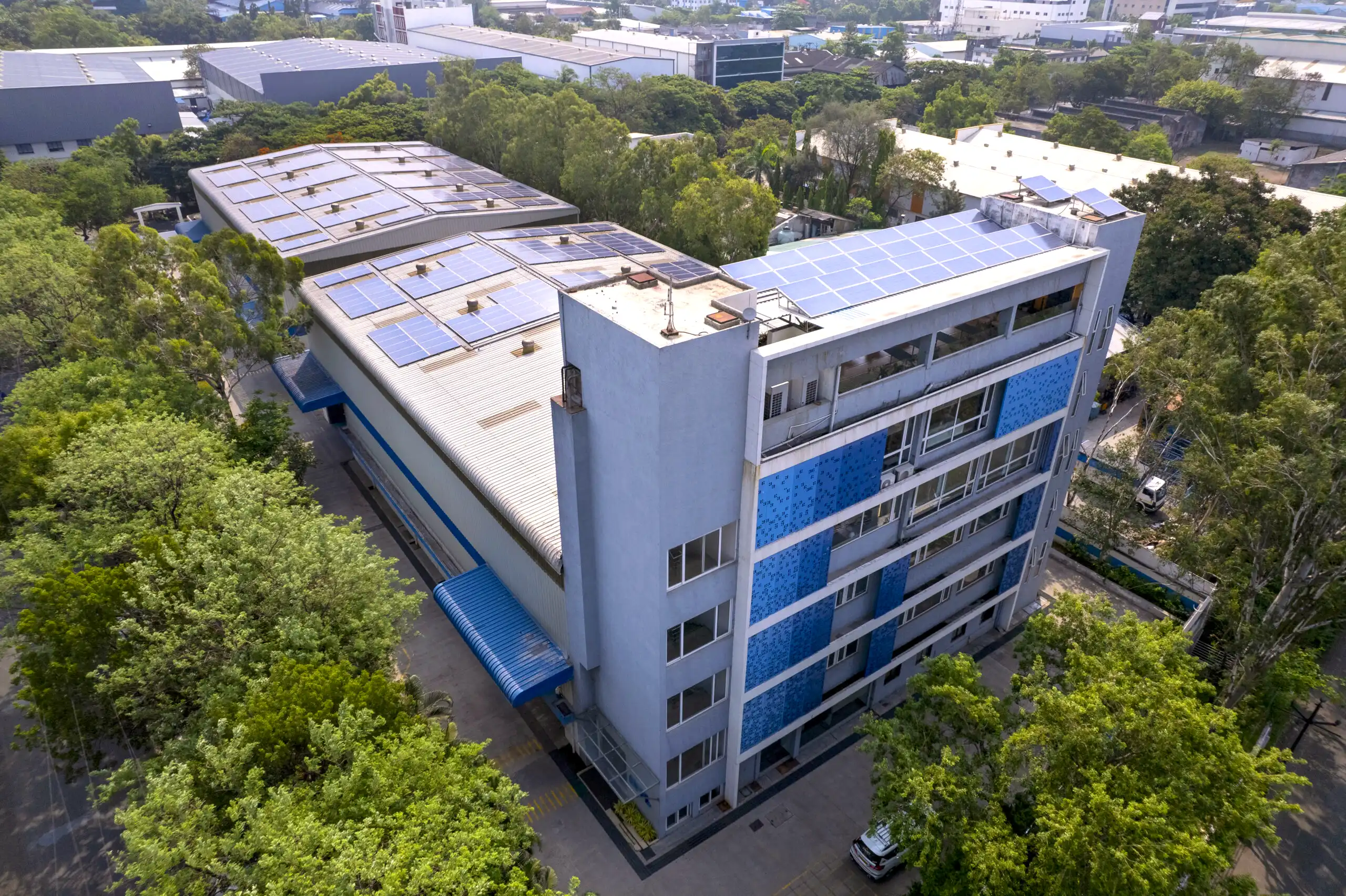
At Hindustan Pressings Private Limited (HPPL), sustainability guides our everyday manufacturing practices. We are committed to protecting the environment, supporting our people, and building long-term value. As a trusted sheet metal components manufacturer in India, we work continuously to reduce our environmental impact and contribute to a greener future.
Building Future With Innovation
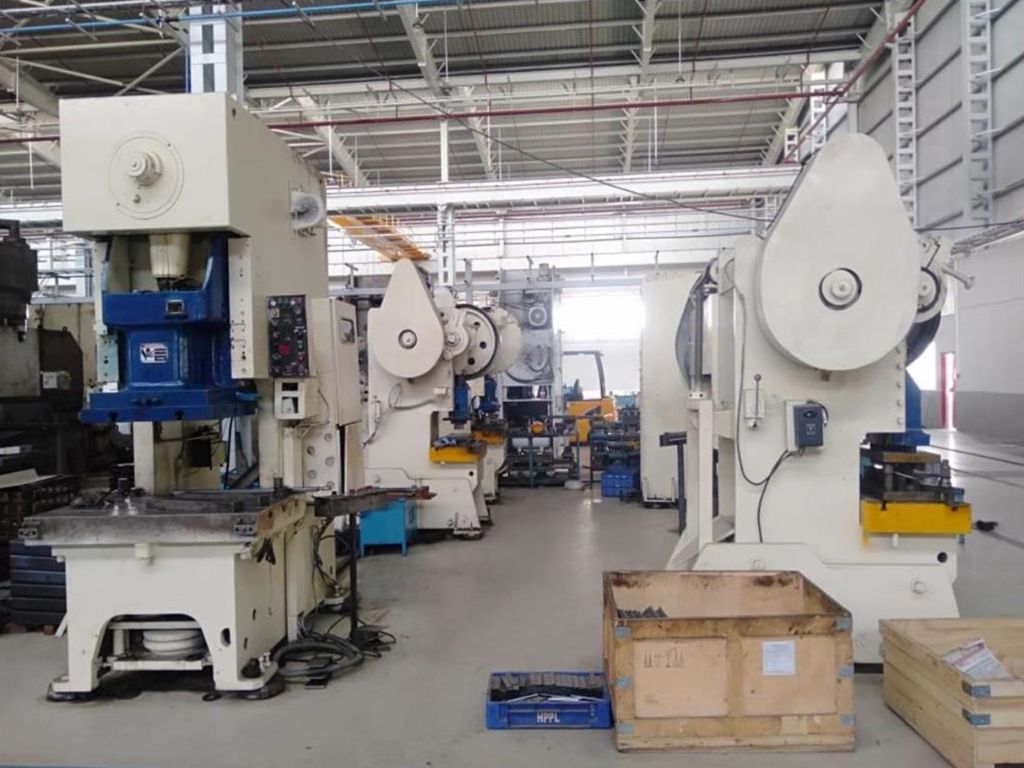
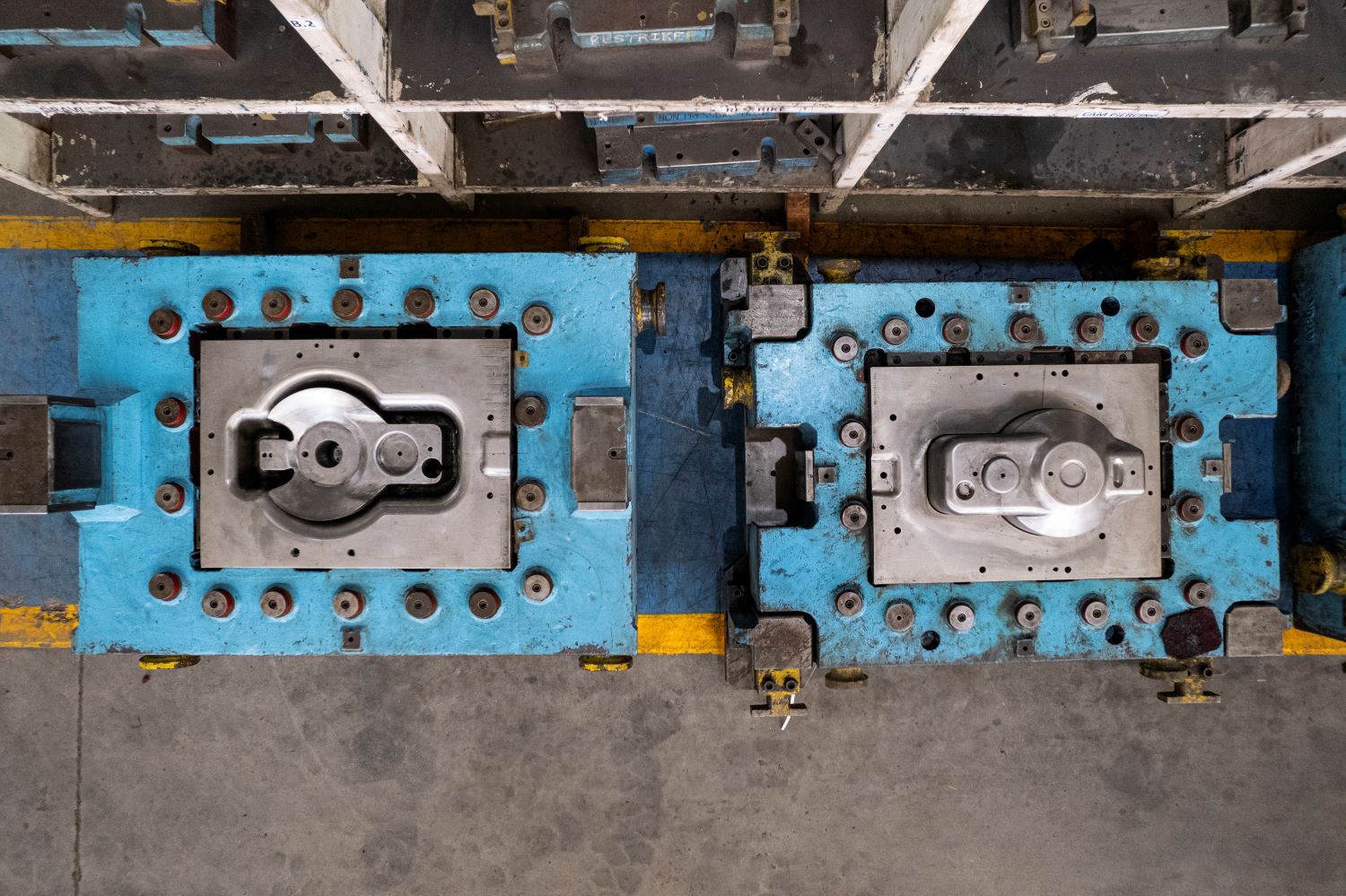
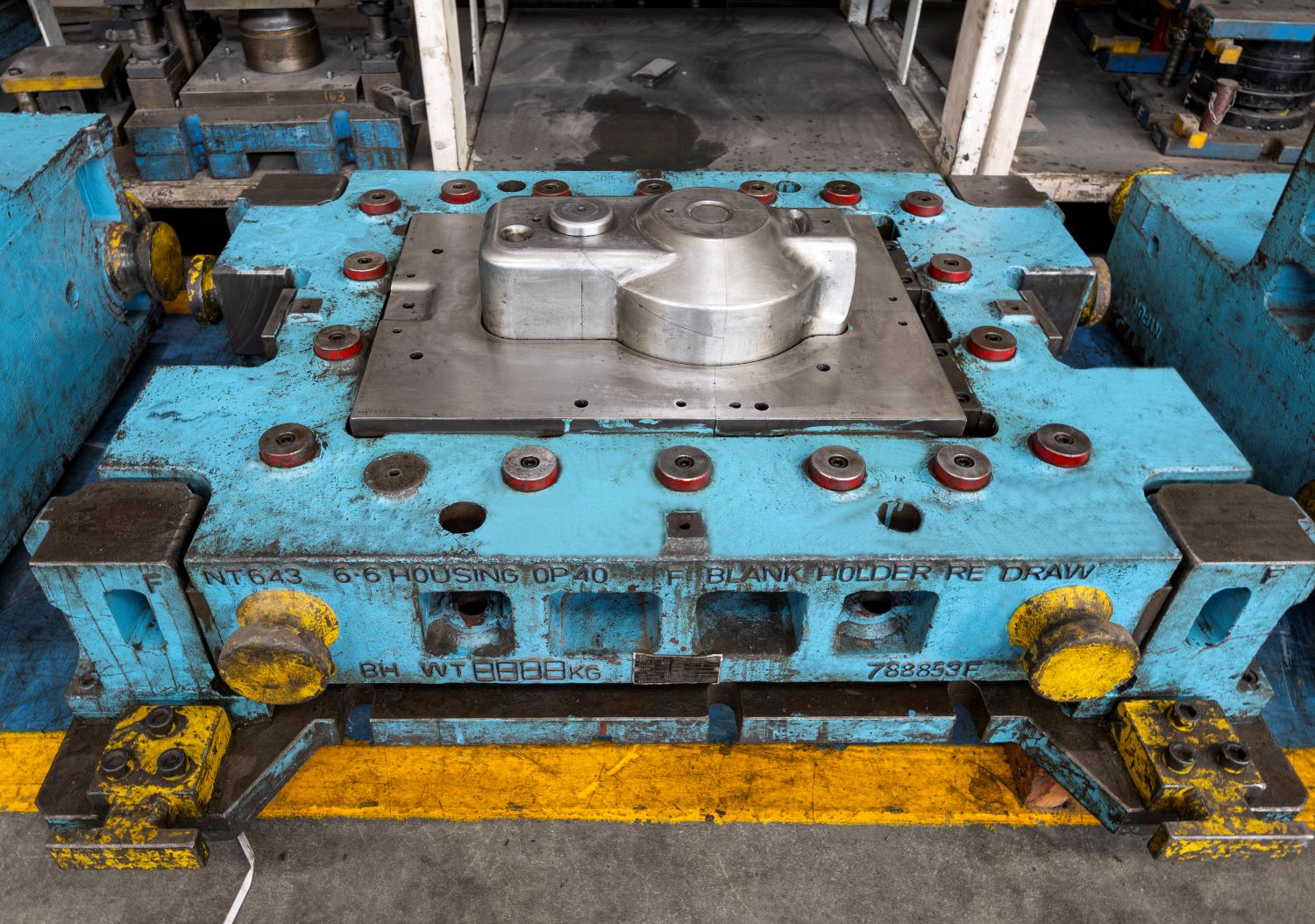
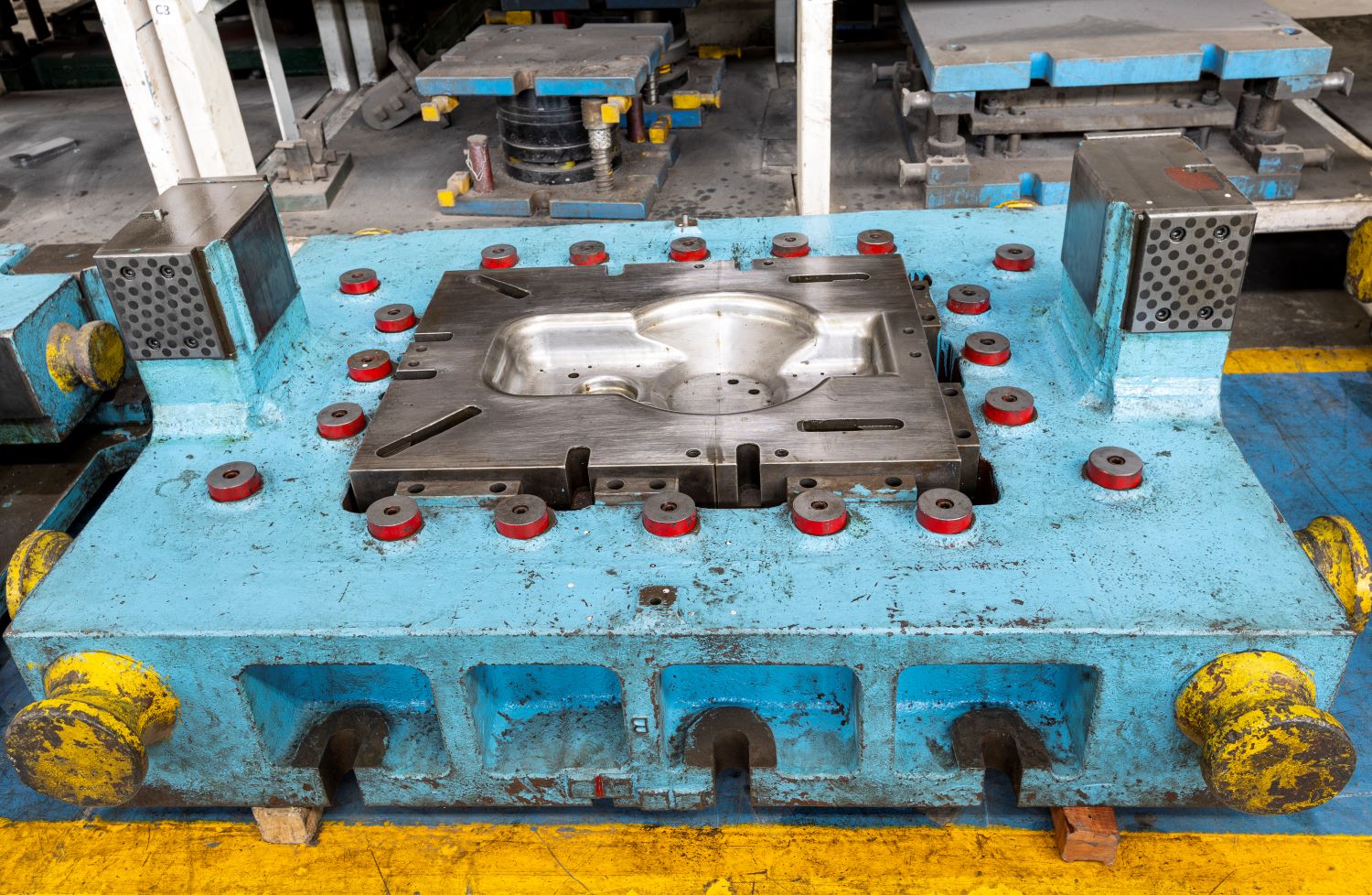
Stamping / Pressing
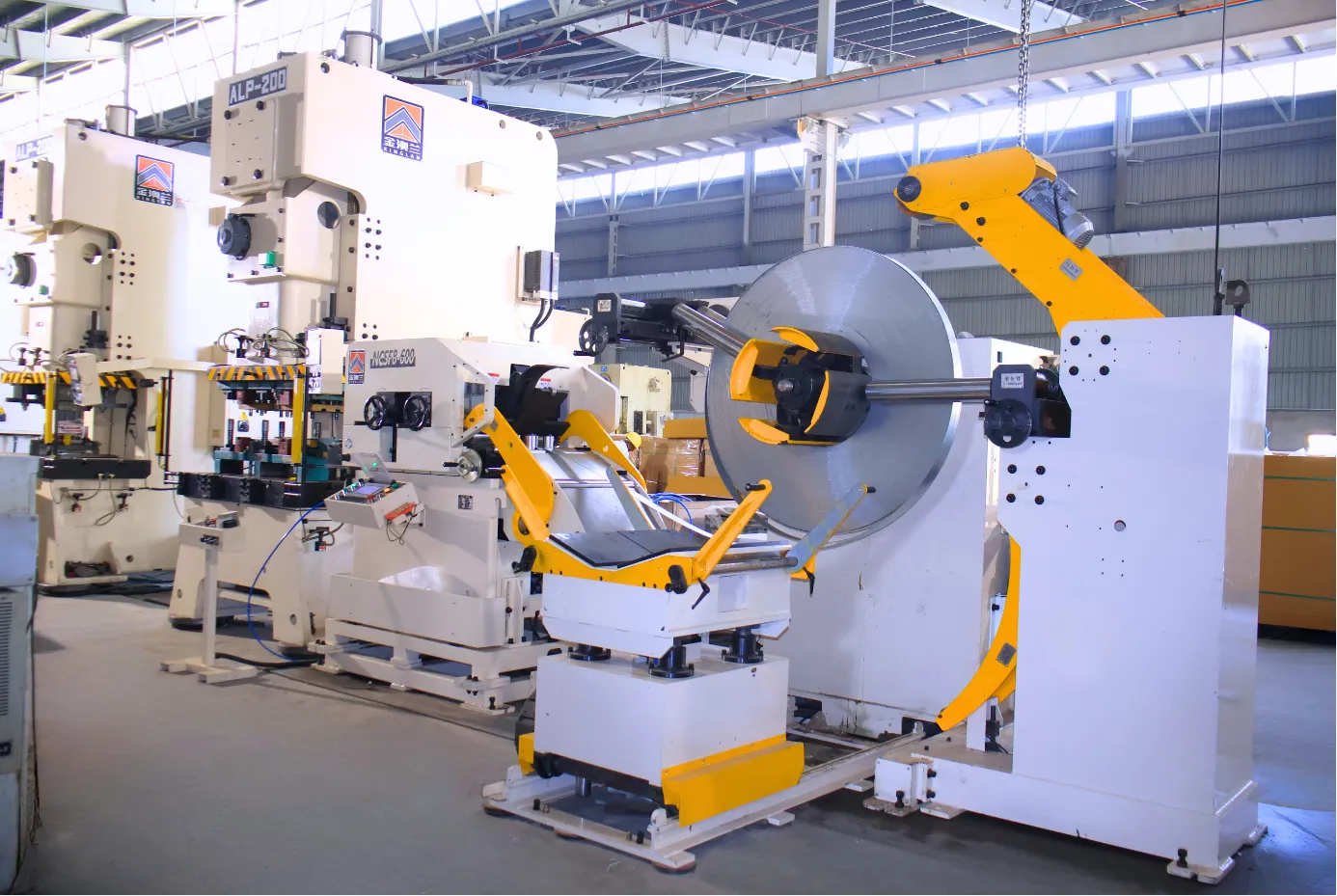
A wide range of presses from tonnage capacity of 50T - 1000T cater to large variety of parts required in more than 7 industries
Stamping Pressing
Our stamping and pressing services utilize a versatile range of presses, from 50 T to 1000 T, to meet the varied part requirements across all industrial sectors.
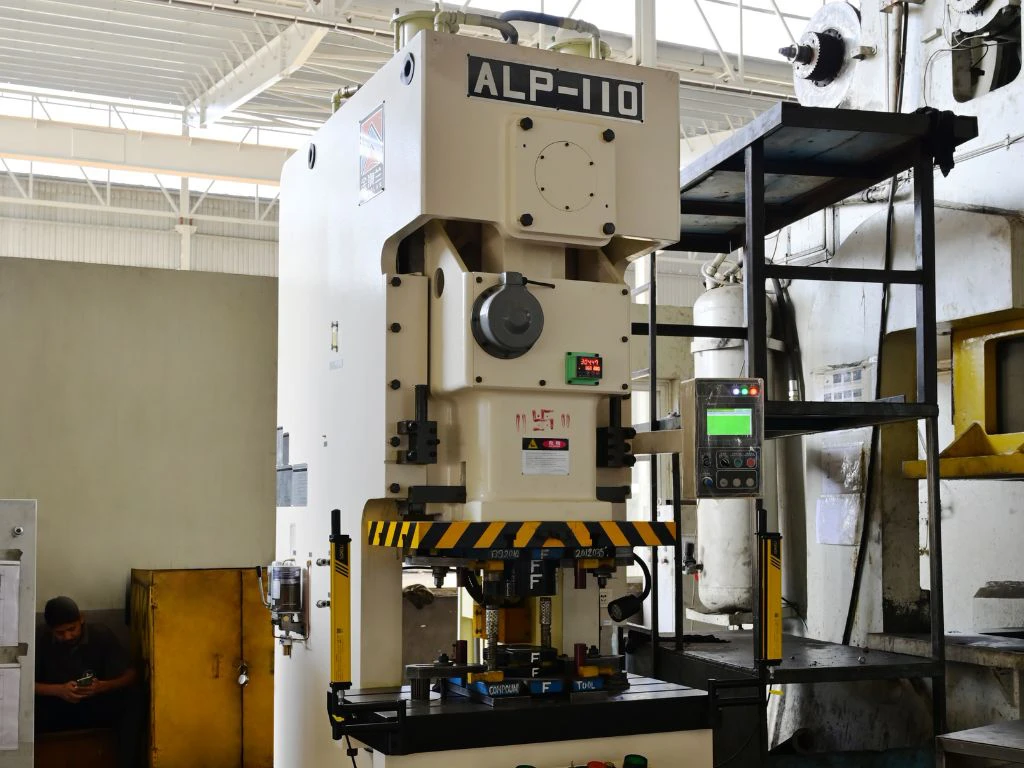
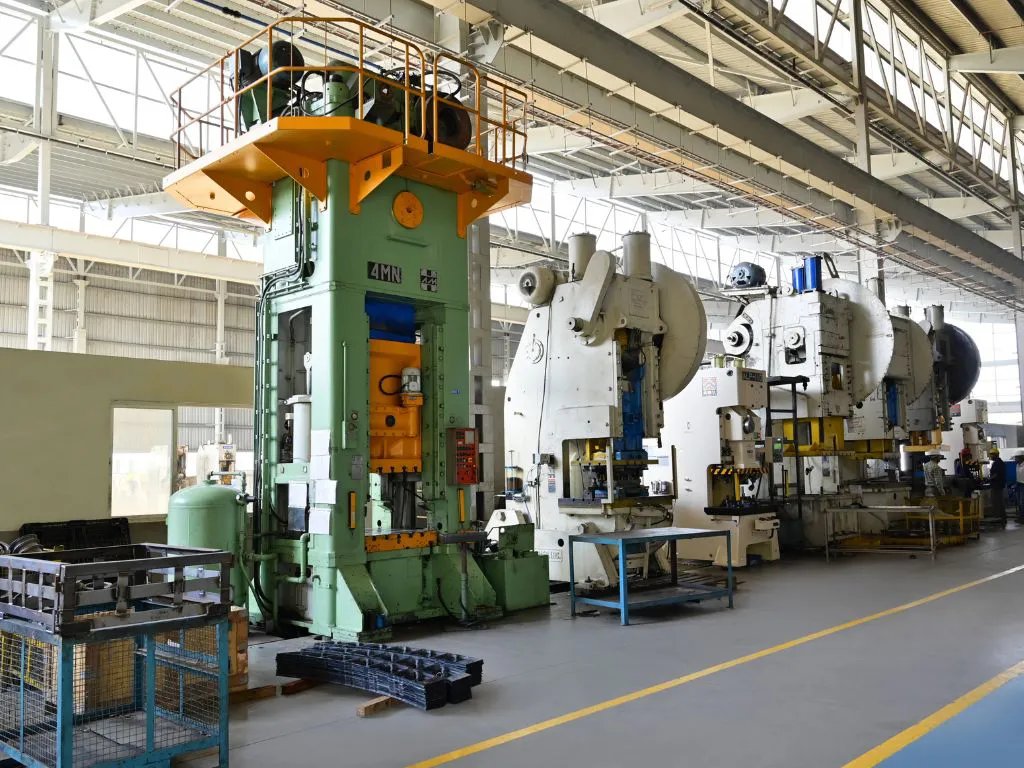
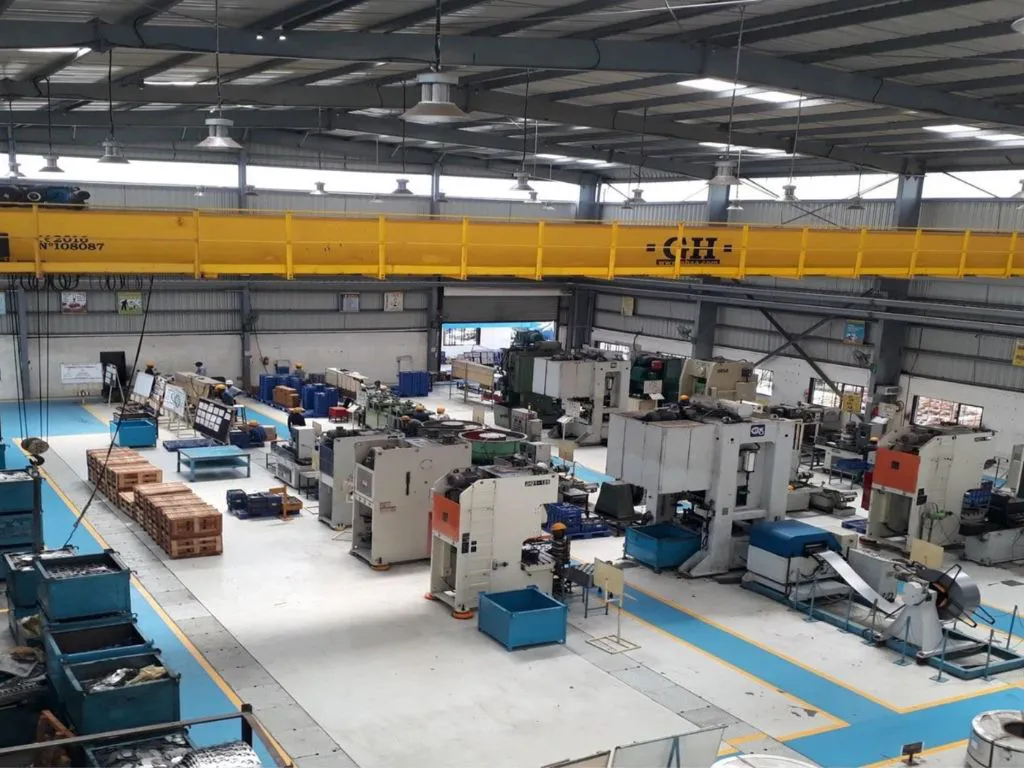
Laser Cutting
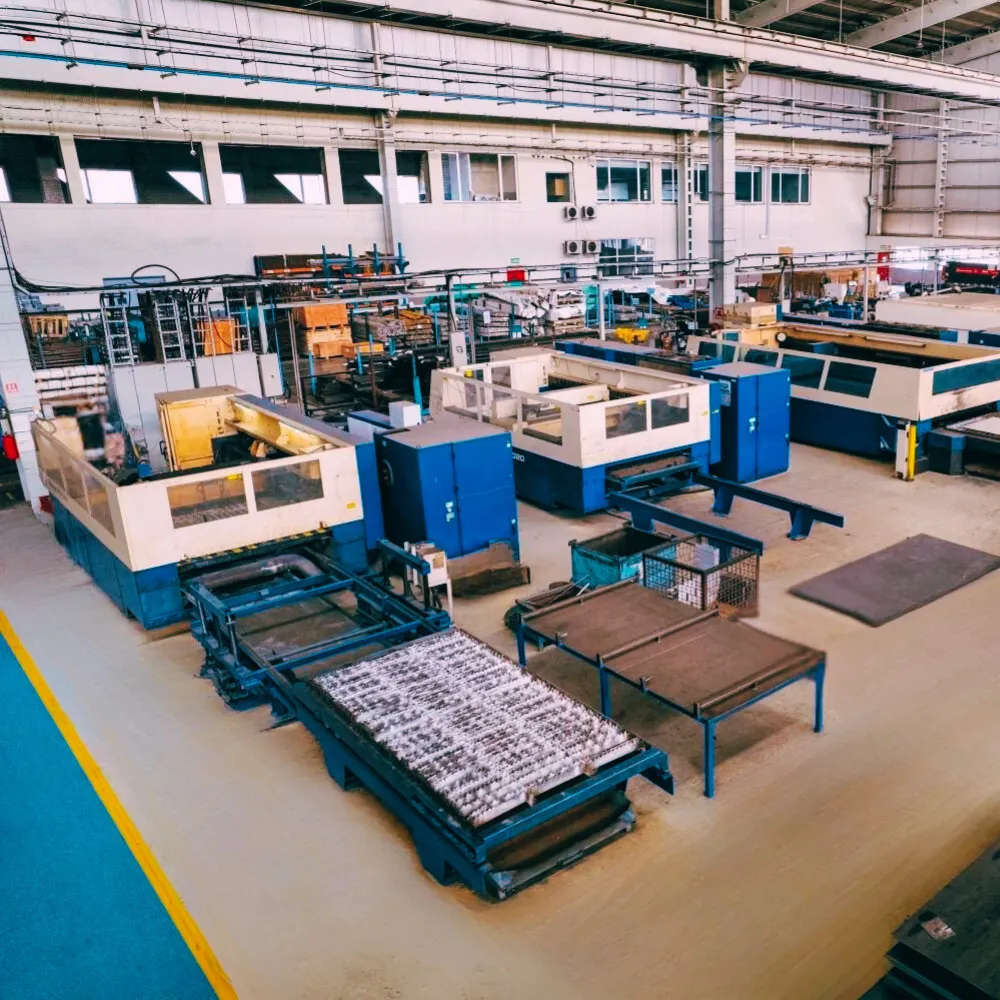
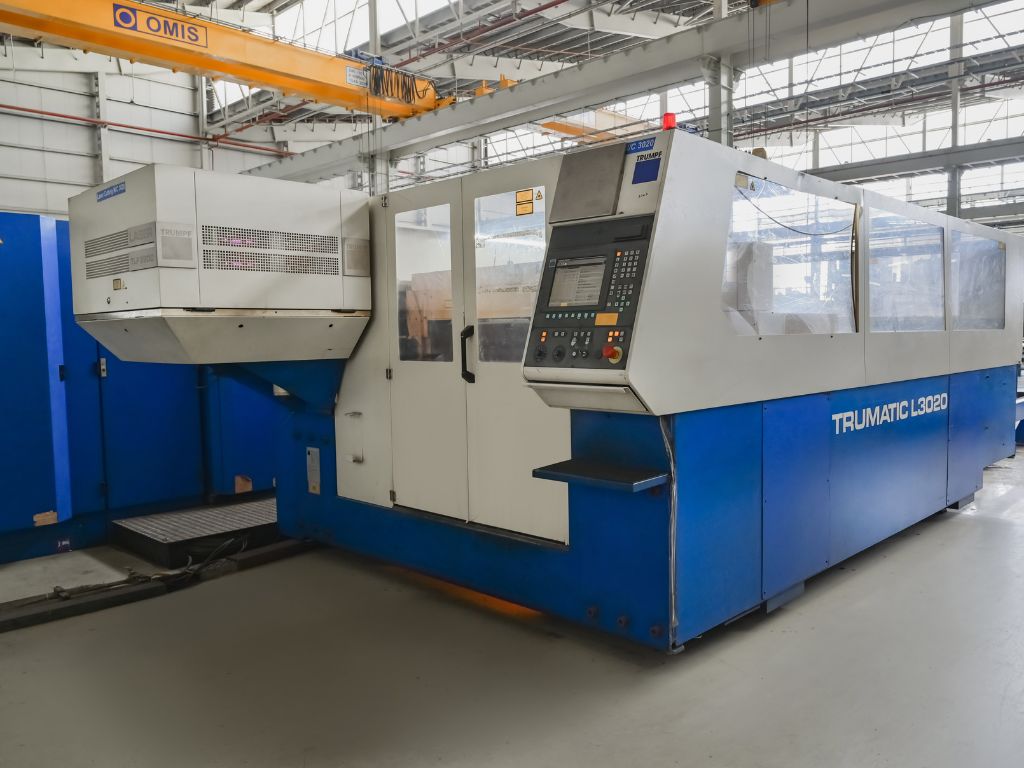
With 3 laser and 2 fiber laser precision cutting machines, we ensure precise, complex cuts across different metal thicknesses.
Laser Cutting
“Our precision tooling features 3 laser and 2 fiber laser cutting machines, adept at handling diverse metal thicknesses for complex cutting projects.”
CNC Bending
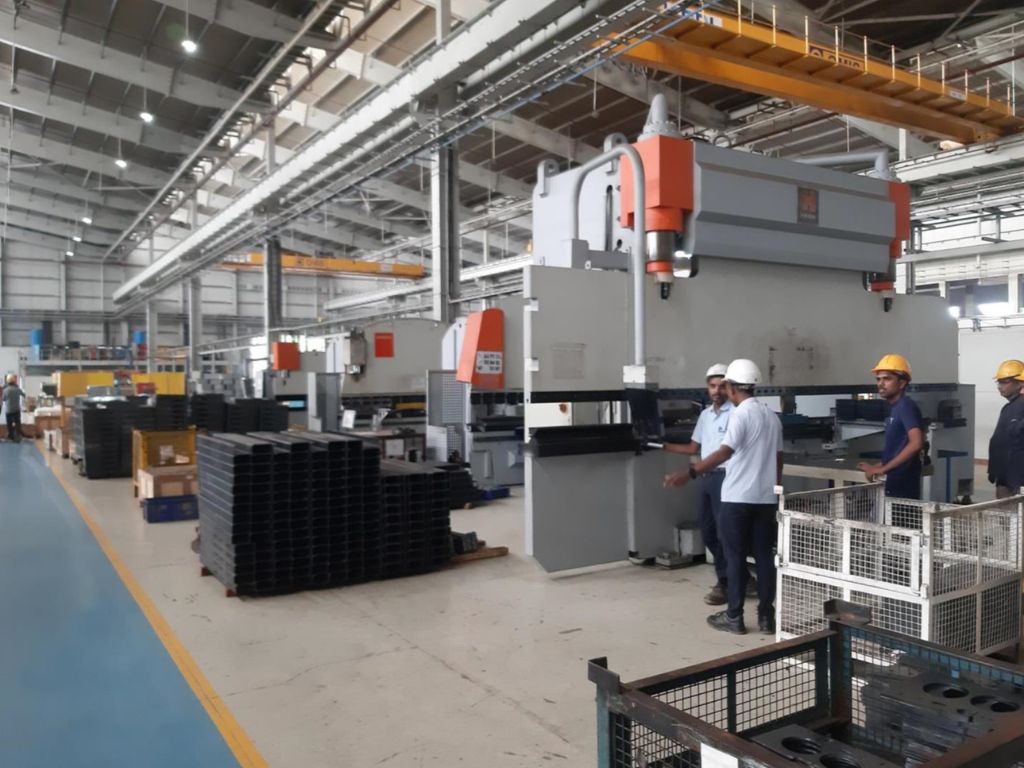
Our Bystronics & ISGAC-HACO CNC bending machines (110-400T) ensure high precision, handling lengths up to 6 meter.
CNC Bending
Our CNC bending machines, including Bystronics and ISGAC-HACO models, offer precise positioning and repetition, handling lengths up to 6 meters with capacities from 110 T to 400 T.
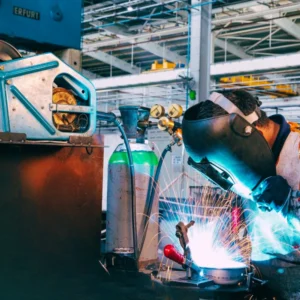
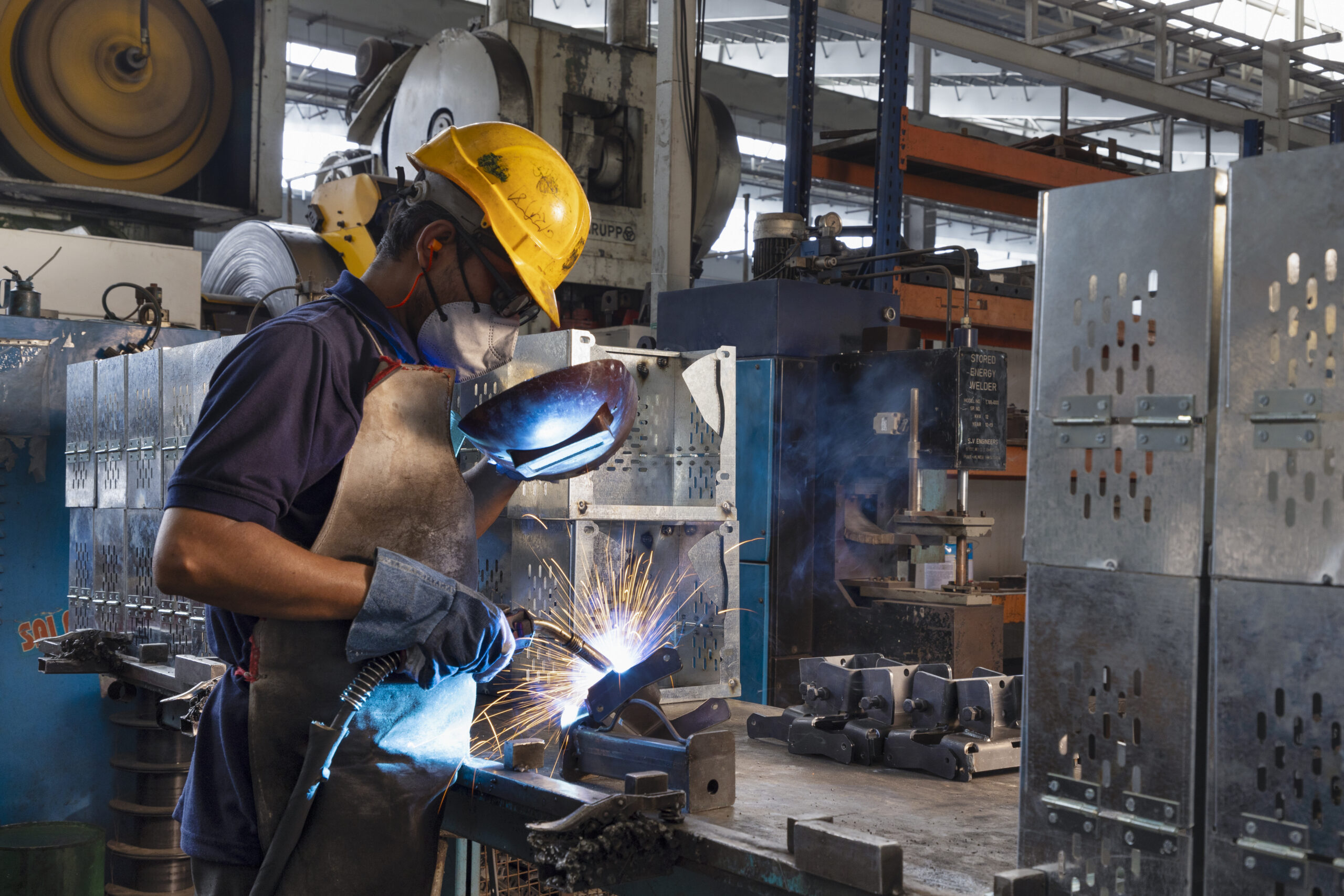
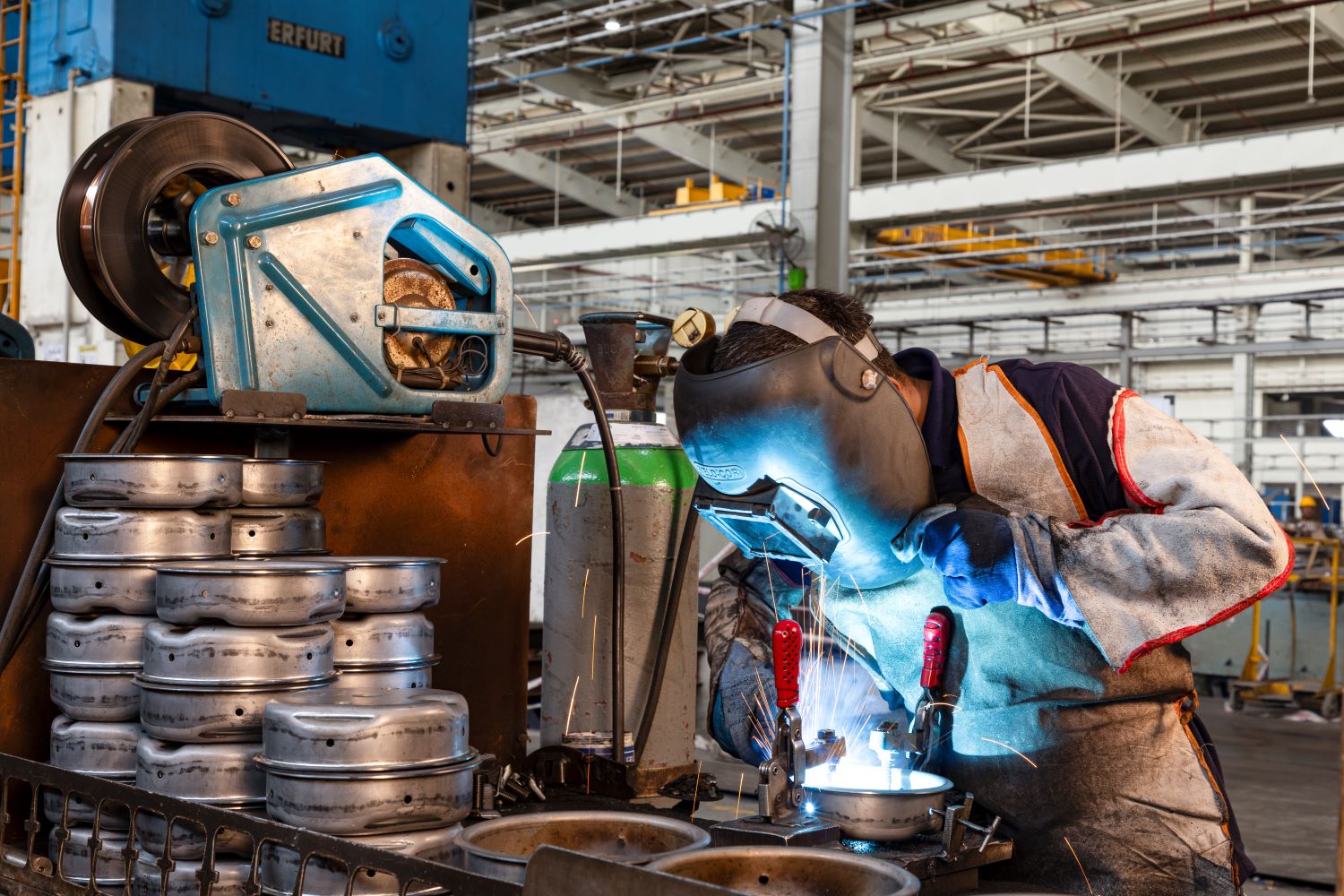
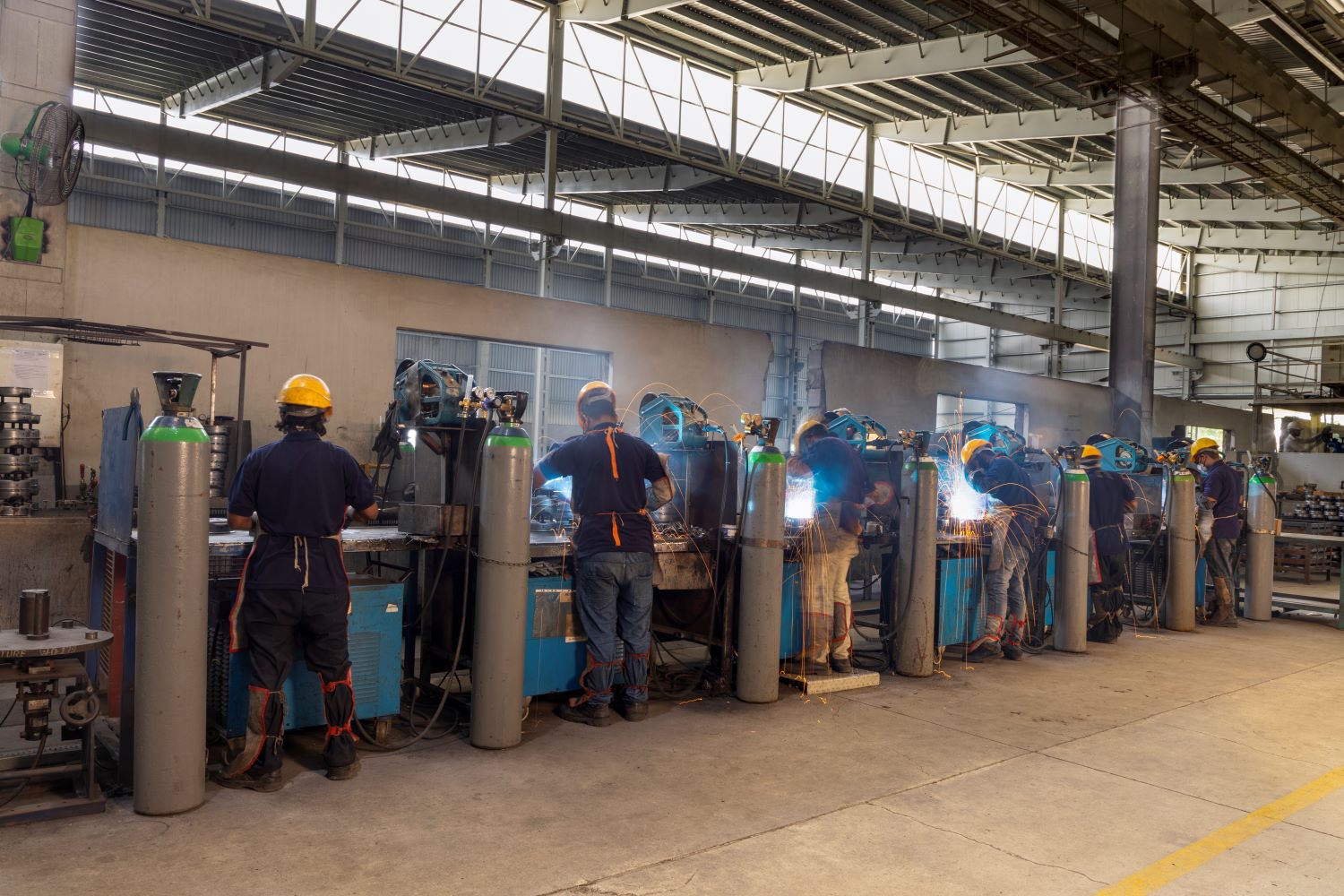
MIG / TIG Welding
Our in-house team has mastered welding techniques, ensuring superior results for small to medium-sized parts.
MIG/TIG Welding
With years of experience, our in-house team excels at welding small to medium-sized parts. Count on us for precise, high-quality welding solutions.
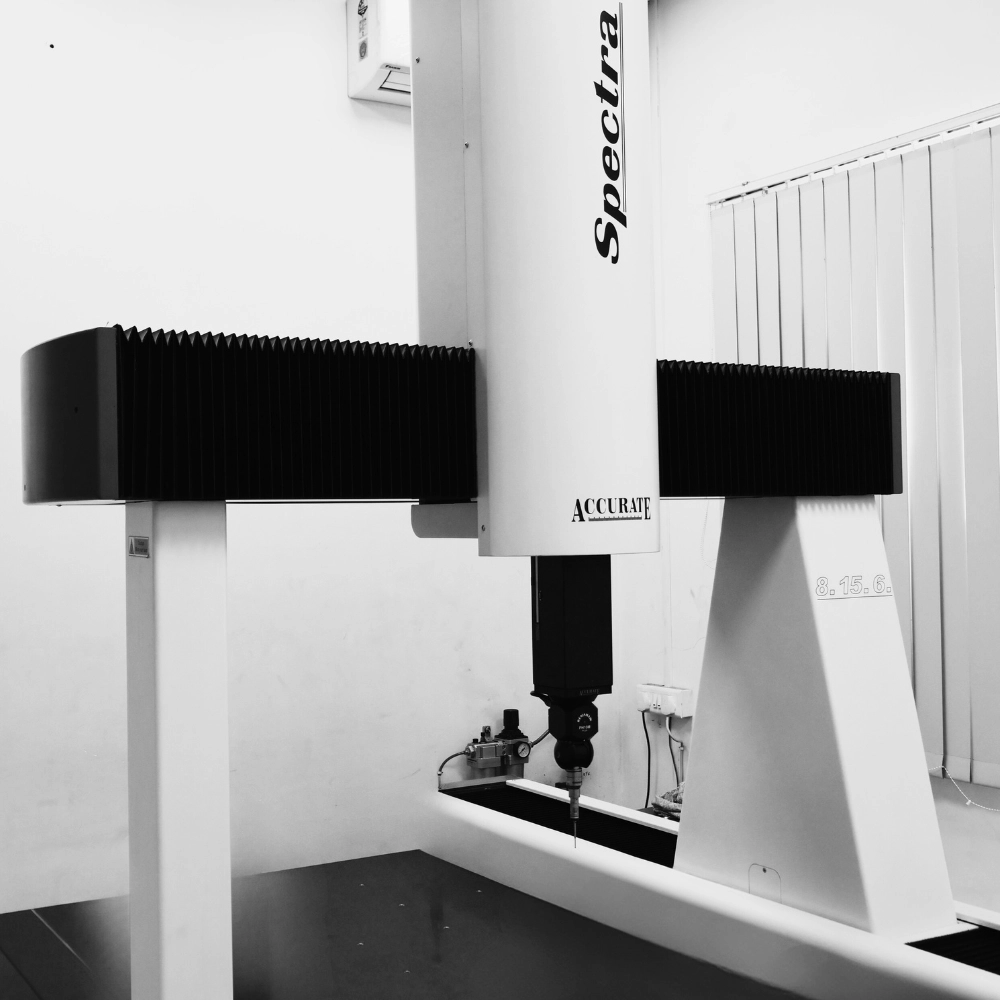
CMM
Our CMM guarantee comprehensive quality control, ensuring consistent, high-quality components.
CMM
Our Coordinate Measuring Machines (CMMs) ensure comprehensive quality control, consistently producing high-quality components with precision. They play a crucial role in maintaining the highest standards in our production processes.
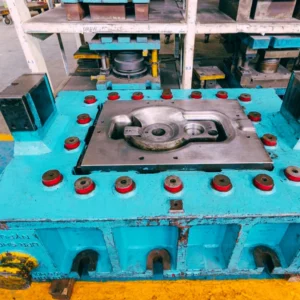
Tooling
HPPL’s expertise in designing and manufacturing tools ensures precision and reliability in every measurement.
Tooling
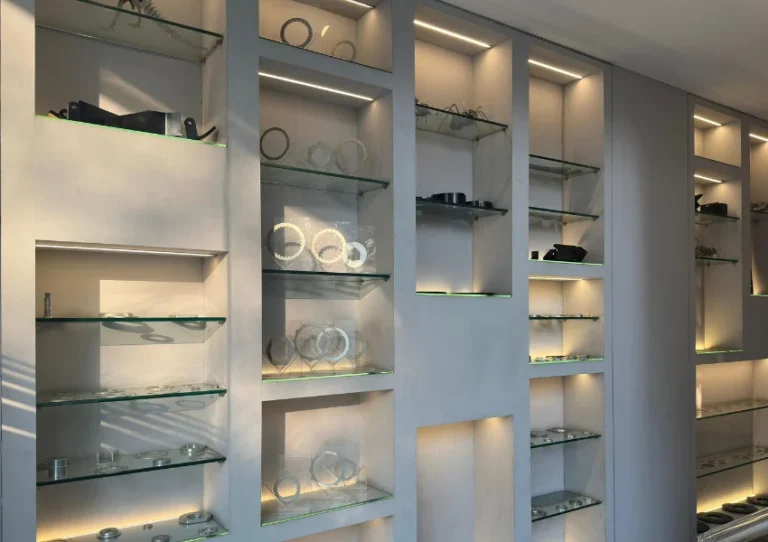
HPPL specializes in crafting precision tooling solutions that ensure accurate measurements, tailored for industries like medical prosthetics, showcasing our innovation and expertise.
Media
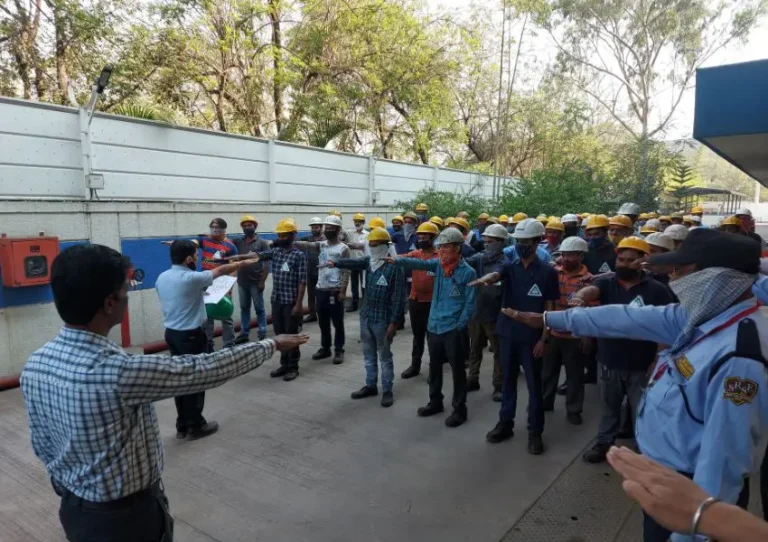
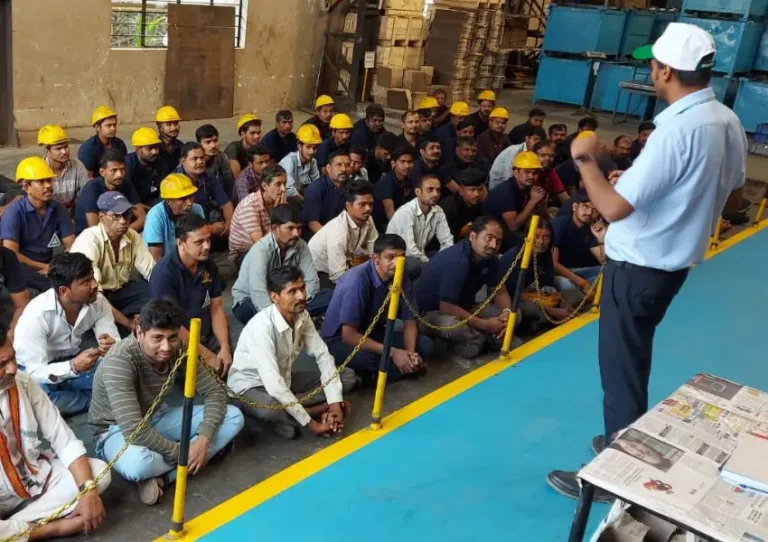
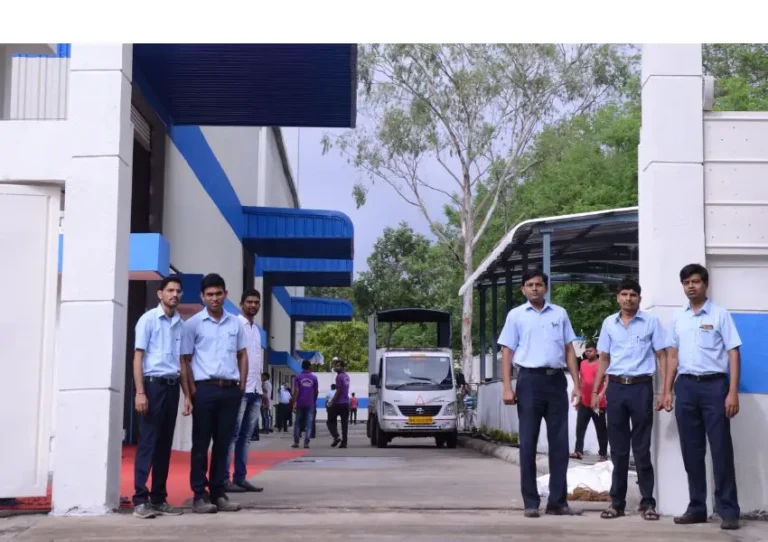
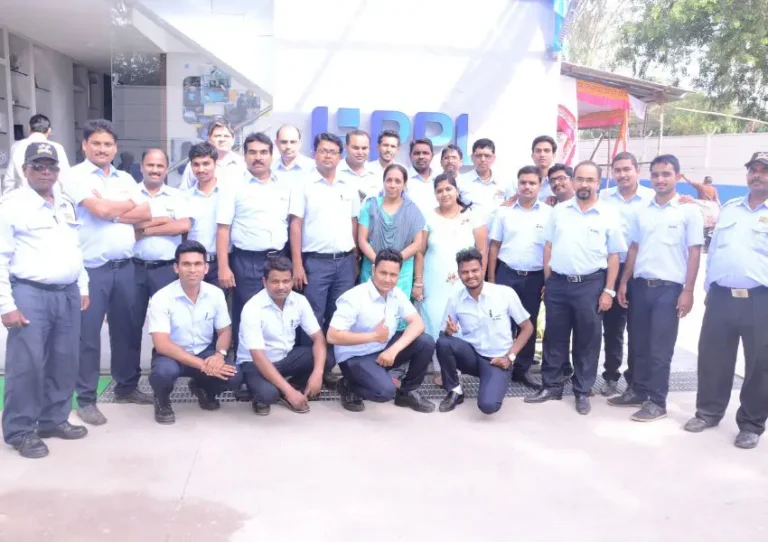
Our team is the backbone of HPPL’s success. Each member brings a unique set of skills, expertise, and a shared commitment to excellence. With a passion for innovation and a focus on customer satisfaction, our team collaborates seamlessly to deliver world-class solutions. Below, you can see the faces behind our achievements, driving HPPL forward every day.
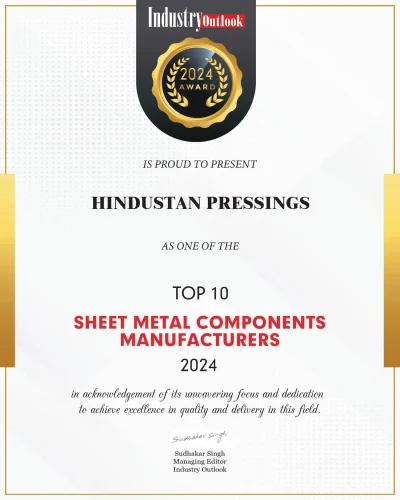
Top Sheet Metal Components Manufacturer in India
Recognized by Industry Outlook magazine, Hindustan Pressings Private Limited (HPPL) stands as a Top Sheet Metal Components Manufacturer delivering reliable solutions across industries.
Quality | Safety | Sustainability
Working with
A Global Mission
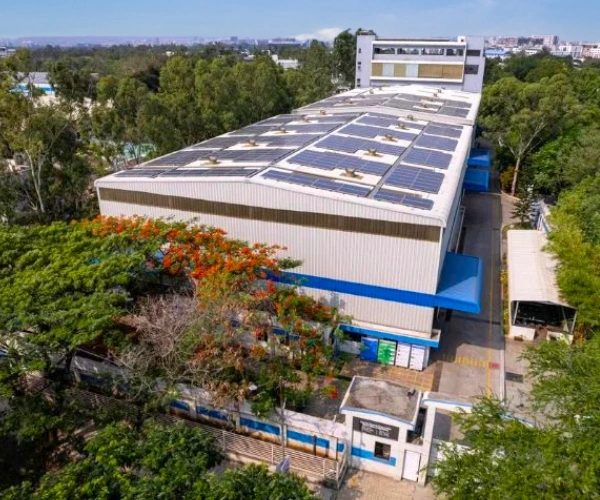
Plant 1 & HO
Pressing / Stamping
QMS as per IATF 16949:2016
ISO 14001:2015 | ISO 45001:2018
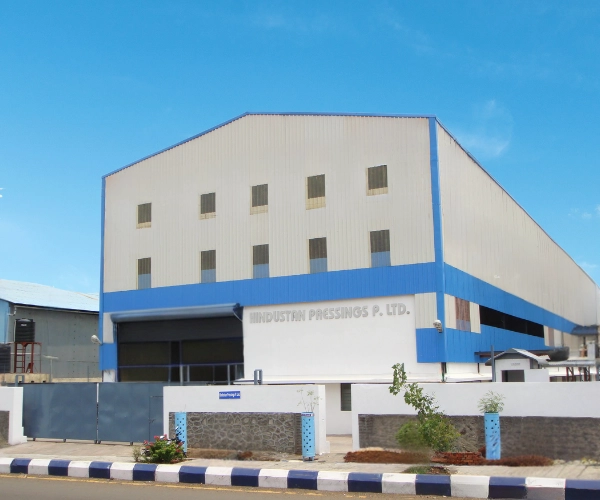
Plant 2
Pressing / Stamping
QMS as per
IATF 16949:2016
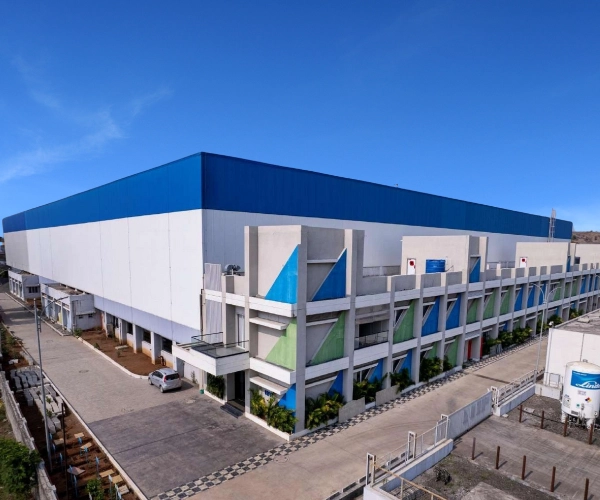
Plant 3
Laser cutting | Bending | Pressing | Welding | Finishing
ISO 9001:2015 | ISO 14001:2015 | ISO 45001:2018